

Wild Edible Plants: 10 Species You Can Eat


If you're the type to tackle trails, camping trips, or expeditions in the wilderness, knowing how to identify edible wild plants can be the difference between starving or staying strong until rescue — or until the end of the adventure.
With those who love a good adventure in mind, Cutelaria CIMO has prepared a practical guide with 10 plant species that can be found in natural environments in Brazil and consumed safely, provided they are correctly identified.
Attention: This content is for informational purposes only and does not replace practical field knowledge. If in doubt, do not consume. Safety first.
Let's go!
1. Dandelion (Taraxacum officinale)
With its vibrant yellow flowers and serrated leaves, the dandelion is a very common plant in open fields. All parts can be consumed: leaves, flowers, and roots. For those practicing survival techniques, this plant is a true wild card — nutritious, easy to identify, and abundant.

2. Purslane (Portulaca oleracea)
Purslane grows spontaneously in sunny areas, among rocks, sidewalks, or cultivated areas. Its succulent leaves can be eaten raw or lightly sautéed. One of its great advantages is that it is a very rich source of omega-3, so, in wild camping situations, it can be a nutritious and practical supplement to your diet.

3. Plantain (Plantago major)
Very common in moist and shaded soils, plantain is easily identified by its broad leaves with prominent veins. It can be used raw or cooked and also has medicinal uses, helping with throat irritations. Alongside a good improvised campfire, this plant can be turned into a comforting and functional tea.

4. Amaranth (Amaranthus spp.)
Amaranth grows well in fertile soils, trail edges, and rural areas. The leaves, when sautéed, resemble spinach, with a high iron content, an essential nutrient to ensure strength and endurance for the body. It's a great addition to survival food, offering energy and micronutrients with a pleasant taste and very simple preparation.

5. Nettle (Urtica dioica)
Nettle grows near rivers and shaded areas. Even though it causes a stinging sensation upon touch, its leaves, after cooking, become an excellent source of plant protein.
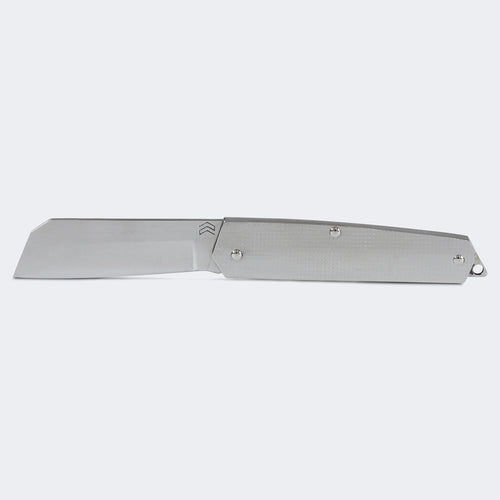
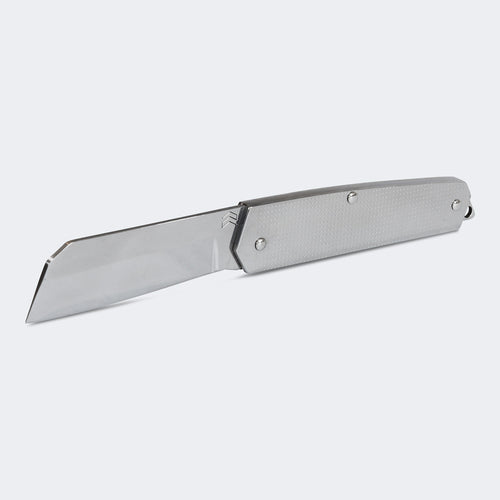
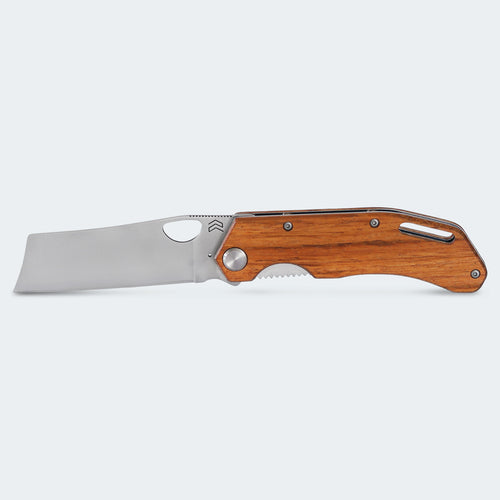
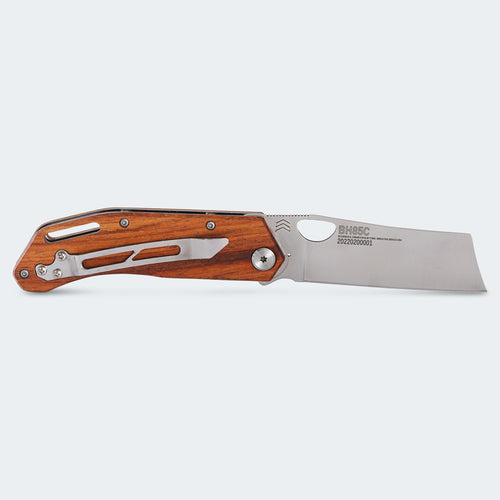
To handle it, use a sharp blade, such as a CIMO pocket knife — this avoids unnecessary contact with the stinging hairs. With proper preparation, it can become a warm soup on colder days in the forest.

6. Tannia (Xanthosoma sagittifolium)
Easily found in humid areas, especially in regions of the Atlantic Forest, tannia requires attention: its leaves can only be consumed after being thoroughly cooked, as they are toxic when raw. Rich in iron, calcium, and vitamin A, this plant makes a complete meal when accompanied by protein — or even on its own, with a good improvised seasoning.

7. Nasturtium (Tropaeolum majus)
Colorful, aromatic, and resilient, nasturtium is an ornamental and edible plant very common in urban gardens, but also found in rural transition areas. The leaves are spicy, and the flowers add color and flavor to dishes, making it ideal for improvising a quick salad, even in limited conditions.

8. Sow Thistle (Sonchus oleraceus)
Often confused with wild chicory, sow thistle is common in urban and cultivated areas. Young leaves are milder and, when sautéed with a little fat or salt, make an excellent base for a nutritious dish. It's a valuable find in open field areas.

9. Hairy Hawkbit (Hypochaeris radicata)
Growing spontaneously in pastures and dry lands, hairy hawkbit resembles dandelion but has a less bitter taste. It can be eaten raw or lightly cooked. Alongside sources of potable water, this plant can be part of a good improvised breakfast on longer trails.

10. Borage (Borago officinalis)
Borage is not native to Brazil, but it can be cultivated or found in some areas of secondary forest. Its leaves have a mild flavor and the flowers are used as edible decoration. In longer survival scenarios, its nutritional value helps maintain high physical endurance.

Tips for identification and safe consumption
Knowing which plants can be safely ingested in nature is a skill that requires attention to detail. Even edible species can be confused with toxic plants, especially by beginners. Therefore, it is worth following some good practices that ensure more safety when collecting and preparing. Check it out!
-
Study before you go: familiarize yourself with the edible plants of the region you will explore before trying native plants;
-
Avoid unknown plants: if you are unsure about identification, it is best not to consume;
-
Beware of similar plants: some toxic species resemble edible ones, so research very carefully beforehand;
-
Cook when necessary: this can eliminate natural toxins from some plants, such as tannia;
-
Observe the environment: do not consume plants near contaminated or polluted areas, as these toxins may also be present in the plants.
Other survival food options
In addition to wild plants, nature offers other alternatives that can provide energy in extreme situations. Insects such as ants, larvae, and grasshoppers are rich in protein and are present in various biomes — just cook or roast them to reduce risks.
Other common options are edible seeds, roots, and fruits, which are also part of the repertoire of those seeking autonomy in the wild, as is artisanal fishing in rivers and lakes, which can yield a good meal with the use of simple traps or improvised rods.
In these situations, having a reliable knife or pocket knife makes all the difference — whether for cleaning a fish, opening hard fruits, or improvising utensils. For this, count on Cutelaria CIMO!
CIMO Tools: Your allies in survival
For those who truly live for adventure, having reliable equipment makes all the difference. With resistant blades, firm grips, and high-quality finishes, CIMO Cutlery's knives and pocket knives are designed to handle the most demanding challenges of the wilderness, whether for cutting, preparing food, improvising tools, or clearing a path through dense bush. Access our camping knives page now and get the survival kit that will elevate your expeditions!
Postagens recentes

 17 de June de 2026
Slip Joint Lock: tradição e simplicidade em uso | CIMO
O slip joint lock é um dos mecanismos mais tradicionais da cutelaria, valorizado...

 04 de June de 2026
Cutelaria CIMO participa da IWA OutdoorClassics 2026
CIMO reforçou presença internacional na IWA OutdoorClassics 2026, na Alemanha A Cutelaria CIMO...

 27 de May de 2026
What is cutlery? Get to know the creation of blades!
Did you know that cutlery is one of humanity's oldest ancient techniques? The...