

What to pack for a hike: 15 essential items for the activity


If you love exploring nature, today's post is perfect for people who enjoy trails! We've put together essential items to ensure a peaceful trip, so you don't leave anything behind!
However, first and foremost, it's crucial to research the place where you'll be hiking! What's the weather like? Is it very cold? Is it hot all day? This will help you determine the types of clothes and footwear you'll need, for example.
What are the must-have items for a trail?
Below we list the accessories you can't do without when venturing into nature. Make your checklist and don't forget anything!
1. Backpack
Essential for carrying your belongings, the size will vary depending on the duration of your hike: if it's a "there and back" trip, consider choosing a smaller backpack that can still fit all your essential items.
Another important point that will help you a lot: don't hike carrying hand bags or cross-body bags, as the weight of the items can unbalance you, not to mention that, over time, they tend to cause body aches.
What makes a difference is being objective and only taking what is truly necessary; this will determine the size and weight your backpack should have.
2. Comfortable footwear
To embark on great adventures in nature, it's very important to have comfortable footwear.
Hiking boots are ideal for the sport, but a quality sneaker is sufficient to avoid pain and blisters on your feet during the walk.
Extra tips:
1. Opt for footwear with good grip (non-slip) soles and, if possible, waterproof.
2. Choose good socks, preferably those specific for the type of trail you'll be doing, to prevent sweat retention. There are excellent models on the market.

3. Comfortable clothing
The choice of clothing you'll take for the trail will be based on the weather at your travel destination, so a good tip is to research the climatic conditions of your destination thoroughly.
Generally, think of light clothing, similar to what you'd wear to the gym, because they have technologies like dryfit that absorb sweat faster and are usually very comfortable.
In places with intense cold and snow, you can count on thermal base layer shirts with UV protection and thermal pants that help retain temperature. Additionally, there are jackets and sweaters ideal for facing cold days.

4. Sunglasses, caps or hats
Alongside sunscreen, wearing caps and hats helps with protection, especially during daytime walks in the sun.
Sunglasses are very useful for minimizing any discomfort in vision, especially on lighter grounds with dirt/white sand, for example, where the sun reflects into the eyes.

5. Rain gear
Even if the weather conditions are favorable, it's important to carry rain gear in your backpack!
This way, you can avoid getting too wet during the journey. It can even be a simple, thin one.
Prevention is always good!

6. Water
Staying hydrated is fundamental for any physical activity and at all times in our lives — and a trail is no different.
So, consider your route and try to calculate the ideal volume of water to bring! A valid estimate is 2 to 3.5 liters of water per day of hiking; with this average in mind, you won't be thirsty or carry unnecessary weight.
Remember: use reusable bottles to avoid plastic waste in nature.

7. Easy-to-transport food
One way to eat well without overloading your backpack is to think about types of food that don't take up much space and are light.
Additionally, a good tip is to choose foods that help replenish energy quickly. Here are some ideas to inspire you:
-
Dehydrated fruits;
-
Cereal bars;
-
Protein bars;
-
Sweet and savory biscuits;
-
Seeds like cashews and peanuts;
-
Sandwiches;
-
Boiled eggs.

8. First-aid kit
As obvious as it seems, it's common to forget a kit with bandages and first aid supplies, which is why we couldn't leave it off this list.
On a trail, we can experience many adventures, and some accidents can happen, so it's better to be prepared for any type of emergency.
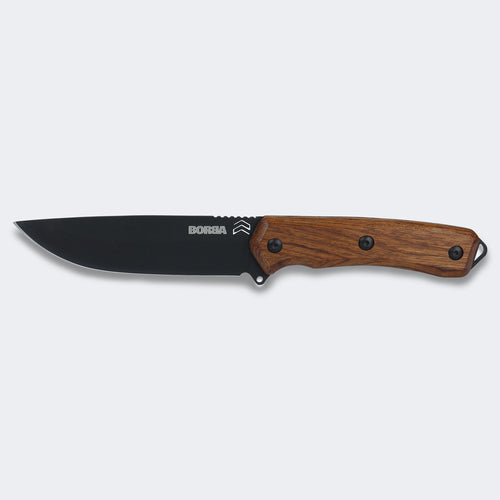
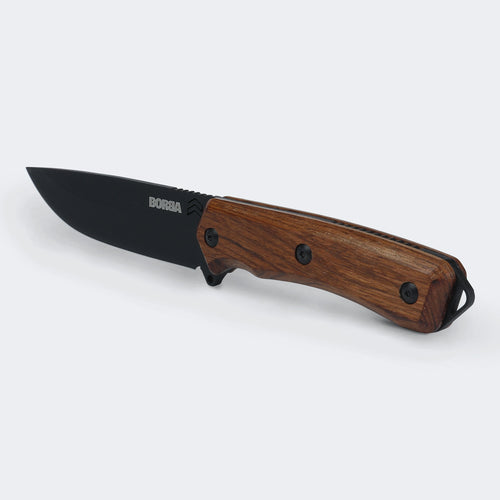
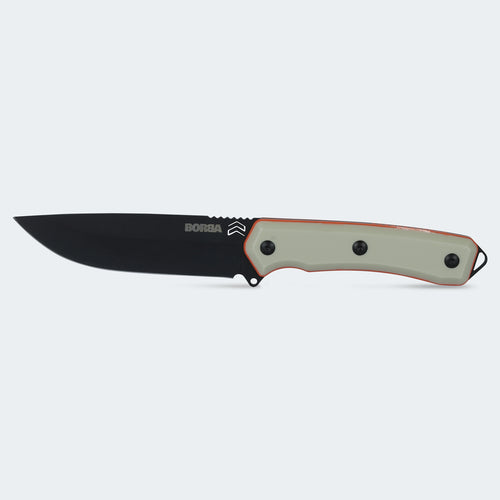
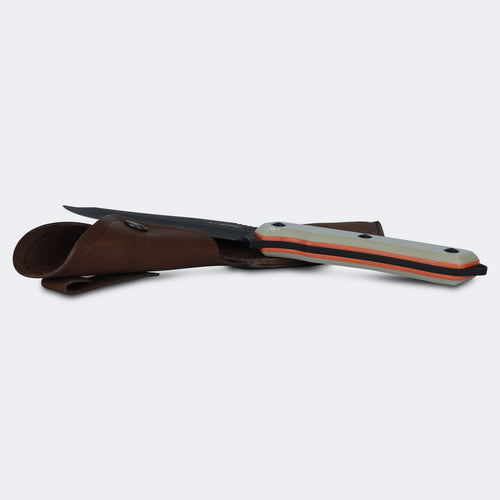
9. Penknives and knives
When it comes to trails, it's always important to have knives or penknives on hand. This is because they will be useful for cutting food, making equipment repairs, assisting in tent setup, and other necessities.
There are multi-tool penknife models that, in addition to the cutting blade, feature essential items such as a can opener, hex wrench, screwdriver, inch scales, and much more! All to help you experience the best adventure moments deep in the wilderness.
We've created an exclusive post with everything you need to know about camping knives, teaching you how to choose the right option; it's worth checking out.

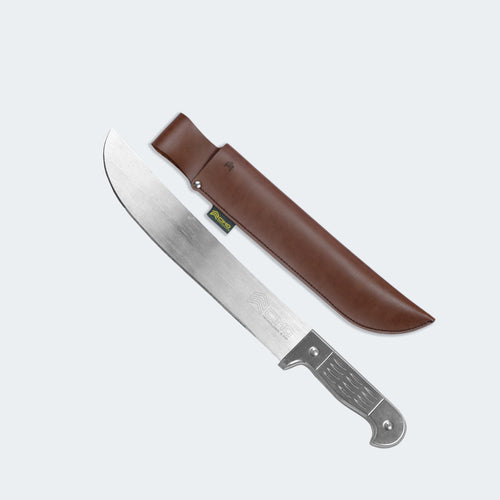
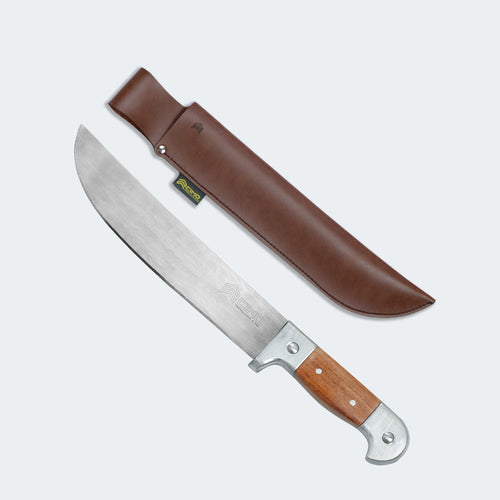
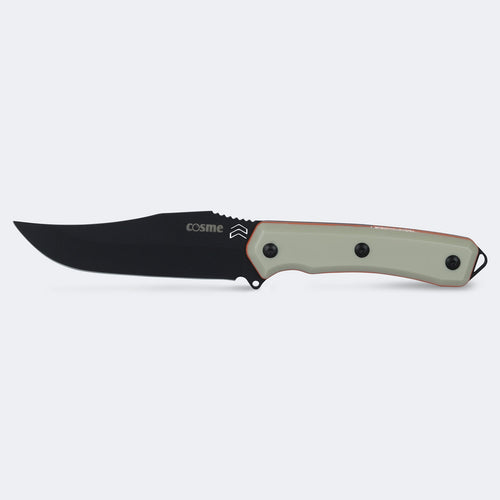
10. Machete
We don't know what awaits us in the wilderness, do we?
Having a machete on hand provides an extra guarantee of safety, both for clearing the path with every step forward on the journey and for protecting yourself from dangers that may arise.
If possible, opt for tools made of resistant materials, with high durability and comfortable for use.

See also: Radical outdoor sports to enjoy nature.
11. Flashlights
One of the items that cannot be missing from your list, even if your trip is during the day, are flashlights.
It's important to ensure good lighting in case of any unforeseen circumstances, such as miscalculating the return time, even if it seems like a quick route. For long routes, they are also indispensable.
To be sure, bring flashlights and spare batteries!

12. Cell phone and portable charger
It's always good to bring your cell phone: it can be very useful for communication and also for taking beautiful records of every important step on the trail, the landscapes, and the memories that will remain afterward.
A portable charger can help if your phone battery dies. And, of course, we should always have the option to call for help if needed.

13. Sunscreen
Regardless of the destination, bringing sunscreen is essential to ensure your skin's health, preventing lesions from prolonged sun exposure.
Choose the product that suits your skin type and with an appropriate protection factor for the duration of sun exposure.
An extra tip: for longer trails and open spaces, it's worth investing in UV-protected shirts, perfect for guarding against possible sunstroke.

14. Insect Repellent
Another essential item for your trail trip is insect repellent!
With it, you'll be able to protect your skin from mosquito bites and other insects — especially during times when they are more active, such as late afternoons.
To optimize your body's protection, it's worth wearing long-sleeved clothing and pants!
15. Trash bag
We are responsible for everything we leave in nature, aren't we?
So, be sure to bring bags or sacks to collect all the trash you produce during the trip.

Well, now that you have a basic checklist, it's time to plan for your greatest adventures worldwide. To inspire you, we've selected the 12 best campsites in Brazil; who knows, your next destination might be there?
Keep following our blog for more tips on outdoor lifestyle, camping, and much more.
See you in the next post!
Aproveite e compre junto

Postagens recentes

 17 de June de 2026
Slip Joint Lock: tradição e simplicidade em uso | CIMO
O slip joint lock é um dos mecanismos mais tradicionais da cutelaria, valorizado...

 04 de June de 2026
Cutelaria CIMO participa da IWA OutdoorClassics 2026
CIMO reforçou presença internacional na IWA OutdoorClassics 2026, na Alemanha A Cutelaria CIMO...

 27 de May de 2026
What is cutlery? Get to know the creation of blades!
Did you know that cutlery is one of humanity's oldest ancient techniques? The...