

Discover the different types of vegetable cuts


Is there anything more sophisticated than being able to name each cooking technique in French? More than just chic, knowing the different types of vegetable cuts well is important to best preserve flavors, facilitate cooking, and, of course, give a more professional look to all your dishes.
Beyond meats, vegetables also have more appropriate ways of being cut, and more than noticing the difference in the kitchen, you'll never again find yourself scratching your head when you read a recipe that asks you to cut "carrots à brunoise."
The different types of vegetable cuts
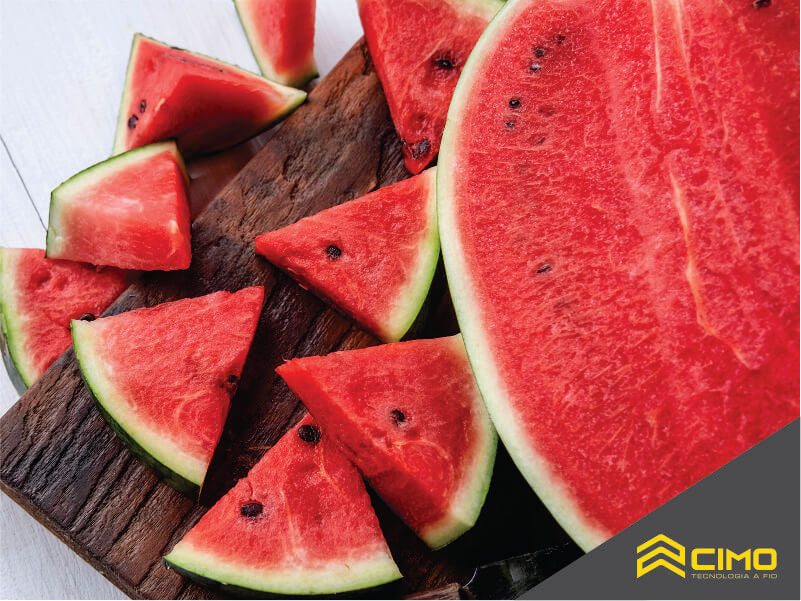
Cooking is an art, and every art has its techniques. Sometimes we don't invest much time in cooking vegetables because we think there are too many requirements to prepare them, but we're here to simplify things a bit. Don't let the terms intimidate you; after this post, you'll be eager to cut vegetables for dinner!
Parmentier cut

Let's start with cubic cuts. The parmentier cut is made of larger cubes, about 12mm, and is widely used for meat accompaniments and also when preparing softer stir-fries, such as potatoes and pumpkin.
Mirepoix cut
The Mirepoix cut is a slightly smaller cube, about 8mm, and is often used when preparing a French accompaniment of the same name, which includes carrots, onions, and parsley, and is also highly recommended when accompanying other dishes on the stove to give a more accentuated aroma. The most classic example is the onion that we brown in the pan before preparing rice.
Macedonian cut
The Macedonian cut is very common in preserves and, in general, serves for any type of accompaniment you want to add in small cubes. Unlike the parmentier cut, which is done upright, the Macedonian cut is trimmed with the knife sideways and then chopped, as it is more general and usually done on vegetables that need their seeds removed to be used in soups and broths.
Brunoise cut
The brunoise cut uses very small cubes, usually cut with chef's knives or Santoku-style knives, which have a rounded spine, making it much easier to make short pieces with precision.
This type of cut is widely used in fillings or toppings, such as those for Gunkan sushi.
Batonnet cut
Now let's talk about strip cuts, again, from the thickest to the thinnest. "Batonnet" refers to "sticks," as these are thicker lateral cuts, ideal for preparing carrot appetizers and, of course, the traditional cut for good old french fries.
Jardinière cut
One of the main accompaniments for meats when served in elaborate dishes, such as garnishes, and also serves to be cut into smaller cubes or slices like the paysanne cut.
Just cut the vegetable in half, then slice it sideways and then cut the slice in half with the knife upright; it's ideal for softer vegetables and gives a very beautiful appearance.
Julienne cut

The most popular and versatile type of cut, when you cut Julienne, you are making several small and easy-to-cook strips, which can be cut into even smaller pieces, like brunoise cuts.
It's fun and practical to make a Julienne cut; just chop the vegetable vertically, as we see great TV chefs doing at lightning speed. Just be careful not to hit the blade edge too hard against the cutting board, because this wears out the knife's sharpness, so always have a honing steel nearby to cut with ease.
Paysanne cut
A very common type of cut in stir-fries, especially for harder vegetables, such as carrots, and also in omelet ingredients.
The Paysanne cut is usually any stick cut that is halved and sliced thinly sideways.
Chiffonade cut

Similar to the Julienne cut, this type of cut is made on leafy vegetables. Just roll up the leaves and cut back and forth horizontally. It's ideal for accompaniments and feijoadas and cabbage salads.
Wedge cut
Can be made with different thicknesses, from the thinnest and most delicate slices, which are very common in poultry dishes, to thicker ones, such as in salad tomatoes.
Now that you've learned more about the different types of vegetable cuts, it's time to sharpen your chef's knife and practice your French pronunciation to impress everyone in the kitchen! Here at CIMO, it's like this: you learn everything about the most diverse universes of those who lead a sharp lifestyle!
Postagens recentes

 17 de June de 2026
Slip Joint Lock: tradição e simplicidade em uso | CIMO
O slip joint lock é um dos mecanismos mais tradicionais da cutelaria, valorizado...

 04 de June de 2026
Cutelaria CIMO participa da IWA OutdoorClassics 2026
CIMO reforçou presença internacional na IWA OutdoorClassics 2026, na Alemanha A Cutelaria CIMO...

 27 de May de 2026
What is cutlery? Get to know the creation of blades!
Did you know that cutlery is one of humanity's oldest ancient techniques? The...